call-center
call-center
+31 6 28382471Shops in the Netherlands
Paradijsvogelstraat 14, 9713 BV Groningenno weekends
10:00 tot 20:00 uur
call-center
call-center
+31 6 28382471Shops in the Netherlands
Paradijsvogelstraat 14, 9713 BV Groningenno weekends
10:00 tot 20:00 uur
You chose 16 from 650
Price
Features
Brand
Frame type
Wheel diameter
test -drive
Pick up now In the shop Paradijsvogelstraat 14, 9713 BV Groningen


0 euro
0 euro
259 euro
test -drive
Pick up now In the shop Paradijsvogelstraat 14, 9713 BV Groningen


0 euro
0 euro
259 euro
used
test -drive
Pick up now In the shop Paradijsvogelstraat 14, 9713 BV Groningen

0 euro
0 euro
129 euro


0 euro
0 euro
219 euro

0 euro
0 euro
239 euro


0 euro
0 euro
239.95 euro
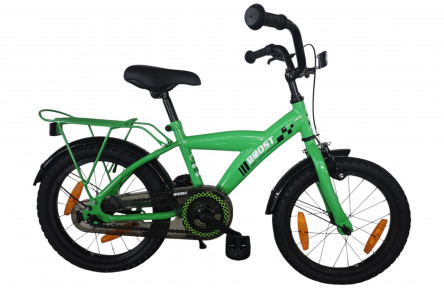


0 euro
0 euro
259.95 euro
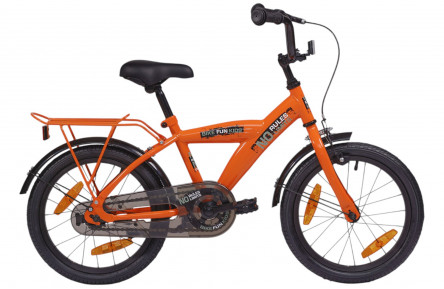
0 euro
0 euro
262.49 euro
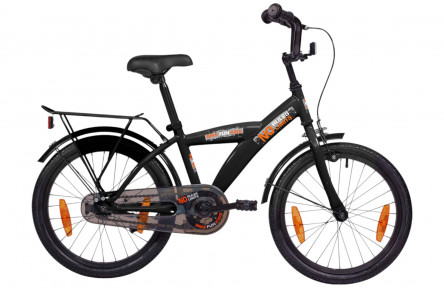
0 euro
0 euro
262.49 euro
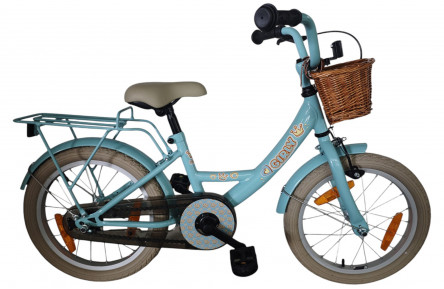


0 euro
0 euro
269.95 euro


0 euro
0 euro
479.95 euro
0 euro
0 euro
3 599 euro
A 16-inch bike is often the first proper children's bicycle for young riders who want to learn to cycle independently. At FACEBIKE, you can easily find a suitable 16-inch bike for short trips, practicing around the neighborhood, cycling to school, or enjoying rides with parents.
A 16-inch bike is often suitable for children approximately 4 to 6 years old. As a general guideline, this wheel size is typically recommended for children around 105 to 120 cm tall. However, these measurements are only approximate, as the right choice also depends on leg length, cycling experience, and how confident the child feels on the bicycle.
A simple safety check is essential: the child should be able to mount the bicycle, stop safely, and reach the ground with their feet. This is particularly important for beginners who are still learning to balance, brake, and steer. A bicycle that is too large can feel intimidating and may discourage a child from practicing.
For many children, a 16-inch bike represents the transition from a balance bike or smaller children's bicycle to a model they can ride independently. That is why the bicycle should not only look appealing but, more importantly, be safe, stable, and easy to handle.
Pay particular attention to the bicycle's weight. A children's bike that is too heavy becomes harder to steer and lift. The brakes should also be easy for small hands to reach. If a child cannot comfortably squeeze the brake levers, the bicycle will be less safe for everyday use.
When children first learn to cycle, they often ride slowly, make tight turns, and stop suddenly. That is why control at low speeds is more important than speed or sporty features. A good 16-inch bike should feel stable when starting, turning, and stopping.
A low step-through frame is convenient when practicing on a quiet street, in a square, or at the park. It allows the child to react more quickly if they lose their balance. A properly adjusted saddle also helps: sitting too high makes stopping more difficult, while sitting too low makes pedaling uncomfortable.
Important features to check:
An enclosed chain guard is particularly practical on children's bicycles. It helps protect clothing and reduces the risk of shoelaces or trouser legs getting caught in the chain.
Some children use training wheels on their 16-inch bikes, while others start riding without them. This mainly depends on previous experience. If a child has already spent plenty of time practicing on a balance bike, their balance is often better developed, and training wheels may not be necessary.
Training wheels can provide support during the first few rides, but they do not fully teach a child how to balance. Therefore, they are best used as a temporary aid. Once the child becomes more confident, practicing without training wheels is generally better for developing balance and control.
Buying a 16-inch bike becomes easier when you understand how this size compares with other children's bicycles. Wheel size provides a useful starting point, but the child's height and confidence remain important.
| Wheel Size | Recommended Age | Child's Height | Intended Use |
|---|---|---|---|
| 12 inch | 2–4 years | Approx. 90–105 cm | First bicycle |
| 14 inch | 3–5 years | Approx. 100–110 cm | Short practice rides |
| 16 inch | 4–6 years | Approx. 105–120 cm | Learning to ride independently |
| 18 inch | 5–7 years | Approx. 110–125 cm | Longer children's rides |
This table is a general guideline. If a child falls between two sizes, do not automatically choose the larger bicycle. For young children, a bike that is easier to control is often safer than one they still need to grow into.
Follow these steps when choosing a bicycle:
After that, you can consider color, baskets, bells, and other details. These features make the bicycle more exciting for the child, but safety and proper fit should always come first.
At FACEBIKE, bicycles are clearly organized by size and category. This allows you to quickly find models suitable for your child's age and height. Instead of browsing adult bicycles or unsuitable wheel sizes, you can go directly to the selection of 16-inch bikes.
This makes comparisons easier. When choosing a children's bicycle, it is particularly important to quickly identify which models are suitable for daily practice, short trips, and safe riding.
FACEBIKE focuses on bicycles designed for real everyday situations. For children's bikes, this means paying attention to stability, comfort, safety, and ease of use. Parents want more than just an attractive bicycle — they need a model that helps their child learn to ride with confidence.
A good children's bike is more likely to be used regularly. When a child can mount the bicycle easily, brake effectively, and sit comfortably, cycling quickly becomes more enjoyable. This helps build confidence and makes family rides safer and more relaxing.
A 16-inch bike is a practical choice for young children who are ready to learn to ride independently. This size offers a good combination of control, safety, and cycling enjoyment for short journeys and practice sessions.
Explore the selection at FACEBIKE and choose a 16-inch bike that matches your child's height, experience, and confidence level. This will help you find a practical children's bicycle for learning, cycling to school, exploring the neighborhood, and enjoying family rides together.

We will contact you soon :)
Our working hours are mon-Sun: 11:00-20:00
-
-
- euro
- - euro
- euro
Дякую за підписку
We will contact you soon :)
Our working hours are
mon-Sun: 11:00-20:00