call-center
call-center
+31 6 28382471Shops in the Netherlands
Paradijsvogelstraat 14, 9713 BV Groningenno weekends
10:00 tot 20:00 uur
call-center
call-center
+31 6 28382471Shops in the Netherlands
Paradijsvogelstraat 14, 9713 BV Groningenno weekends
10:00 tot 20:00 uur
You chose 11 from 137
Price
Features
Wheel diameter
test -drive
Pick up now In the shop Paradijsvogelstraat 14, 9713 BV Groningen


0 euro
0 euro
259 euro
test -drive
Pick up now In the shop Paradijsvogelstraat 14, 9713 BV Groningen


0 euro
0 euro
259 euro
used
test -drive
Pick up now In the shop Paradijsvogelstraat 14, 9713 BV Groningen

0 euro
0 euro
129 euro


0 euro
0 euro
219 euro


0 euro
0 euro
239.95 euro


0 euro
0 euro
259.95 euro
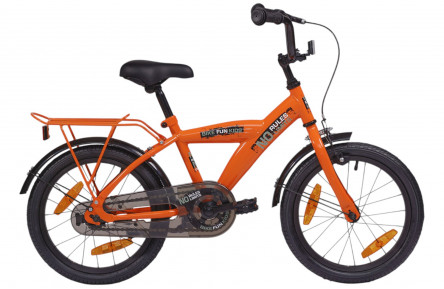
0 euro
0 euro
262.49 euro
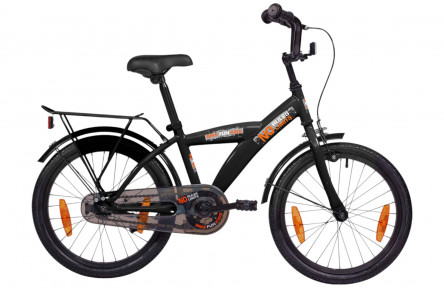
0 euro
0 euro
262.49 euro
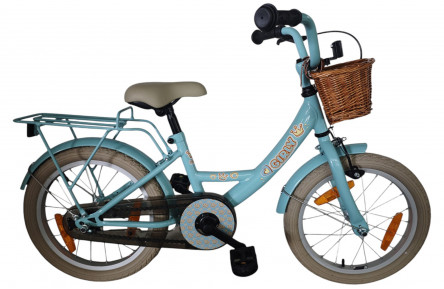


0 euro
0 euro
269.95 euro
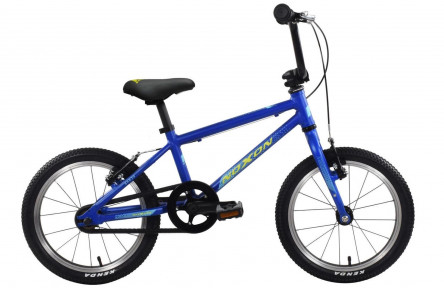


0 euro
0 euro
479.95 euro
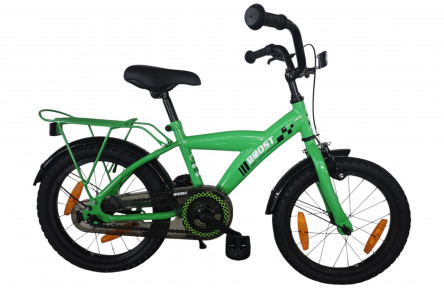
A 16 inch kids' bike is often the first bicycle on which a child learns to start riding independently, brake, and stop safely. At FACEBIKE, you'll find 16 inch kids' bikes for children who are ready for short rides around the neighborhood, trips to the playground, or family bike rides.
A 16 inch kids' bike is generally suitable for children aged 4 to 6 years, with a height of approximately 105 to 120 cm. However, this is not a strict rule. Leg length, balance, and previous experience with a balance bike are just as important.
Have your child sit on the bike and check three things: they should be able to reach the handlebars without stretching, their feet should be able to find support quickly when stopping, and they should be able to keep the bike upright independently. A bike that is too large makes learning to ride more difficult. This is especially noticeable during an unexpected stop, when a child may struggle to react properly.
A basket, a bold color, or a favorite cartoon character may be important to a child, but these features say nothing about how comfortable the bike is to ride. For a child's first independent bicycle, weight, brakes, and riding position are much more important.
A bike that isn't too heavy is easier for a child to take out of a bike rack, turn around on the sidewalk, and lift back up after a minor fall. This not only makes everyday use easier but also helps build confidence.
On a 16 inch kids' bike, the child must be able to operate the brakes independently. Check that the brake lever isn't too far from the handlebars and that braking doesn't require too much force. Small hands have less grip strength, especially when a child is still nervous.
Some models have a coaster brake, others have a hand brake, and some combine both systems. A coaster brake feels intuitive to many children, while a hand brake helps prepare them for the transition to larger bicycles. Most importantly, the child should understand how to stop the bike and practice braking calmly several times before riding.
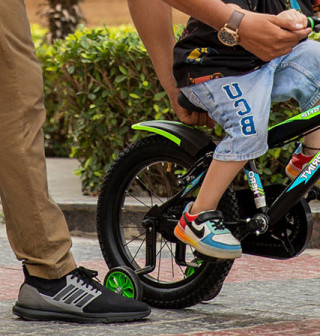
Training wheels can be helpful when a child still lacks confidence, but they should be used as temporary support. They help keep the bicycle upright but don't fully teach a child how to balance when turning.
If your child already has plenty of experience riding a balance bike, practicing without training wheels in a flat, quiet area may lead to faster progress. Start with short exercises:
Only after mastering these skills should your child practice on a quiet cycle path. This way, they learn not only how to pedal but also how to look ahead, react, and judge distances.
A fully enclosed chain guard is particularly useful for young children. Without proper protection, loose shoelaces, wide trouser legs, or jackets can get too close to the chain. A good chain guard keeps clothing cleaner and reduces the risk of anything getting caught.
Mudguards are equally practical. Even a short ride over wet pavement or through a puddle can quickly result in a wet back and dirty shoes without them. For everyday cycling in the Netherlands, mudguards are not a luxury accessory but a useful essential.
| Situation | Recommended Feature | Why It Helps |
|---|---|---|
| First rides on the street | Lightweight frame and low step-through | Easier to get on the bike and maintain control |
| Frequent outdoor play | Durable tires with good tread | Better grip on pavement and sand |
| Cycling at dusk | Reflectors and lights | Improved visibility to others |
| Transporting the bike by car | Compact model without heavy accessories | Easier to lift and fit into the car |
| Frequent stopping and practice | Easily accessible brakes | Helps children learn to brake safely more quickly |
Pay attention to the pedals as well. A non-slip surface gives small shoes better grip, especially in wet conditions. Slippery pedals can cause a child's foot to slide off unexpectedly.
Even a properly sized bike can be uncomfortable to ride if the saddle and handlebars are incorrectly positioned. A saddle that is too low leads to short, tiring pedal strokes. A saddle that is too high makes starting and stopping more difficult.
Adjust the saddle so that your child's leg is almost fully extended when the pedal is at its lowest position, while still allowing them to quickly reach the ground for support when stopping. The handlebars should be high enough to maintain a relaxed riding position without the child having to lean too far forward.
At FACEBIKE, you can easily compare bikes within the 16 inch kids' bike category. This allows you to focus on models suited to the age and skill level of a beginner cyclist without having to browse larger bicycles that aren't yet appropriate.
A 16 inch kids' bike should above all be safe, easy to handle, and properly adjusted. Choose a model that not only allows your child to ride but also gives them the confidence to practice, enjoy cycling, and become increasingly independent.

We will contact you soon :)
Our working hours are mon-Sun: 11:00-20:00
-
-
- euro
- - euro
- euro
Дякую за підписку
We will contact you soon :)
Our working hours are
mon-Sun: 11:00-20:00