
call-center
call-center
+31 6 28382471Shops in the Netherlands
Paradijsvogelstraat 14, 9713 BV Groningenno weekends
10:00 tot 20:00 uur
call-center
call-center
+31 6 28382471Shops in the Netherlands
Paradijsvogelstraat 14, 9713 BV Groningenno weekends
10:00 tot 20:00 uur

You chose 38 from 138
Price
Features
Brand
Frame size
Wheel diameter
test -drive
Pick up now In the shop Paradijsvogelstraat 14, 9713 BV Groningen


0 euro
0 euro
269 euro
test -drive
Pick up now In the shop Paradijsvogelstraat 14, 9713 BV Groningen


0 euro
0 euro
289 euro
test -drive
Pick up now In the shop Paradijsvogelstraat 14, 9713 BV Groningen


0 euro
0 euro
329 euro
test -drive
Pick up now In the shop Paradijsvogelstraat 14, 9713 BV Groningen


0 euro
0 euro
429 euro
test -drive
Pick up now In the shop Paradijsvogelstraat 14, 9713 BV Groningen

599 euro
42 euro
557 euro
used
test -drive
Pick up now In the shop Paradijsvogelstraat 14, 9713 BV Groningen

0 euro
0 euro
190 euro
used
test -drive
Pick up now In the shop Paradijsvogelstraat 14, 9713 BV Groningen

0 euro
0 euro
195 euro
used
test -drive
Pick up now In the shop Paradijsvogelstraat 14, 9713 BV Groningen

0 euro
0 euro
195 euro
used
test -drive
Pick up now In the shop Paradijsvogelstraat 14, 9713 BV Groningen

0 euro
0 euro
245 euro
used
test -drive
Pick up now In the shop Paradijsvogelstraat 14, 9713 BV Groningen

0 euro
0 euro
245 euro


0 euro
0 euro
249 euro


0 euro
0 euro
267 euro


0 euro
0 euro
325 euro


0 euro
0 euro
329 euro


0 euro
0 euro
329 euro


0 euro
0 euro
389 euro
0 euro
0 euro
429 euro
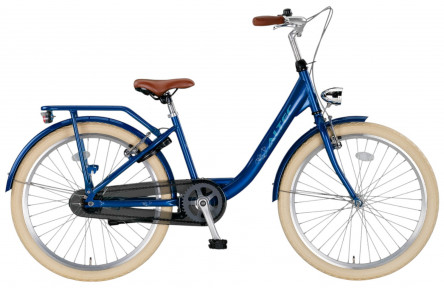
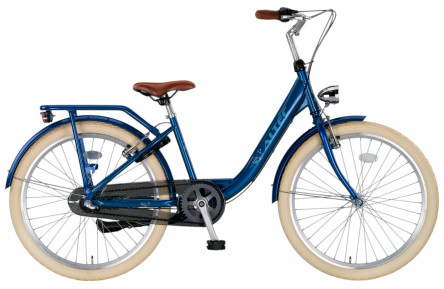
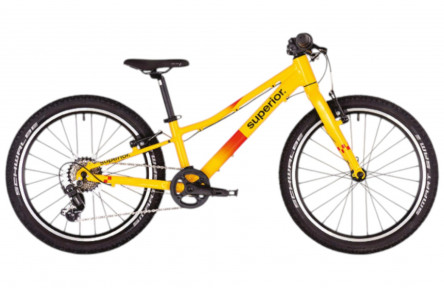
A 24 inch kids' bike is suitable for children who are becoming increasingly independent and use their bicycles for school, sports activities, and rides with friends. At FACEBIKE, you can choose a model that not only fits your child's height but also suits their daily routes, the amount of luggage they carry, and their confidence in traffic.
A 24 inch kids' bike is generally suitable for children aged 8 to 11 years, with a height of approximately 130 to 145 cm. However, this is only a starting point. At this age, children of the same height may still need different bicycles due to differences in leg length, riding position, and experience.
That's why you shouldn't simply have your child sit on the bicycle. Ask them to start riding slowly, brake before an imaginary line, and make a turn without putting their feet on the ground. A properly sized bike provides control without forcing the child to stretch to reach the handlebars or feel uncertain when stopping.
At this age, cycling trips often become more varied. Children ride to school, sports practice, music lessons, or a friend's house on the other side of the neighborhood. As a result, a comfortable riding position becomes more important than it is on a smaller bike designed for playground use.
On a route of several kilometers, there's a noticeable difference between sitting upright and relaxed and constantly feeling pressure on the wrists and shoulders. Slightly raised handlebars usually provide a better view of traffic. A sportier riding position may suit recreational cycling but is less practical when carrying a heavy schoolbag every day.
A schoolbag containing books, food, a laptop, or sports clothes can weigh 4 to 7 kg. Carrying this weight on the back may not seem like much during a short ride, but it can affect balance when a child brakes or rides over a bump.
That's why a luggage rack is often more useful than additional accessories. Check not only whether the bike has one but also whether there are attachment points for elastic straps or a bicycle bag. A loosely placed bag on the rear rack can slide to one side or get caught in the spokes.
Children at this age are more likely to cycle independently in the morning or late afternoon. During autumn and winter, this can mean riding in low light, rain, and on wet cobblestone streets. Good lighting, mudguards, and tires with sufficient tread are essential in these conditions.
Pay attention to how easily the components can be operated. The light switch should be easy to reach, and the brake levers shouldn't be too far from the handlebars. If a child has to search for the controls or apply excessive force, reacting safely becomes more difficult.
| Component | Benefits for Daily Use | Quick Check |
|---|---|---|
| Luggage rack | Carrying a schoolbag or sports equipment | Check whether elastic straps can be attached |
| Lighting | Improved visibility at dusk | Have your child switch on the lights independently |
| Brakes | Stopping safely at intersections | Test both brake levers |
| Mudguards | Keeping clothes drier in rain and puddles | Check clearance around the tires |
| Kickstand | Parking independently | Have your child operate it without assistance |
Even a properly sized bicycle can feel uncomfortable if it's not adjusted correctly. When the saddle is too low, a child pedals with excessively bent knees, making longer rides more tiring. When the saddle is too high, stopping safely becomes more difficult.
Adjust the saddle so that the child's leg is almost fully extended at the bottom of the pedal stroke, while still allowing them to maintain control when stopping. The handlebars should be close enough for relaxed steering but not so high that the child sits excessively upright and feels unstable.
For regular city riding, extremely aggressive tire treads are usually unnecessary. They provide grip but increase rolling resistance and can make a child tired more quickly. Tires with a light tread pattern often offer a better balance for school routes, sidewalks, and wet pavement.
Check the tire pressure once a month. Underinflated tires increase the risk of punctures, slow the bicycle down, and make steering feel less precise. This simple maintenance task can make a noticeable difference.
The answers will help you look beyond bike size and color. For a child who cycles through busy traffic every day, reliable brakes, lighting, and a luggage rack are more important than a sporty design. For a child who mainly rides recreationally, a lighter frame and comfortable tires may offer greater benefits.
At FACEBIKE, you can easily compare kids' bikes within the appropriate wheel size category. This makes it easier to focus on the features that really matter in a 24 inch kids' bike: frame design, riding position, luggage-carrying options, lighting, and brakes.
A 24 inch kids' bike often represents a step toward greater freedom. Choose a bicycle that not only fits your child today but also remains comfortable as school routes become longer and your child starts cycling independently more often.

We will contact you soon :)
Our working hours are mon-Sun: 11:00-20:00
-
-
- euro
- - euro
- euro
Дякую за підписку
We will contact you soon :)
Our working hours are
mon-Sun: 11:00-20:00


