call-center
call-center
+31 6 28382471Shops in the Netherlands
Paradijsvogelstraat 14, 9713 BV Groningenno weekends
10:00 tot 20:00 uur
call-center
call-center
+31 6 28382471Shops in the Netherlands
Paradijsvogelstraat 14, 9713 BV Groningenno weekends
10:00 tot 20:00 uur
You chose 34 from 137
Price
Features
Brand
Frame size
Wheel diameter


0 euro
-440 euro
440 euro


0 euro
0 euro
449.95 euro

0 euro
0 euro
465 euro

0 euro
0 euro
465 euro

0 euro
0 euro
465 euro
0 euro
0 euro
465 euro
0 euro
0 euro
499.95 euro
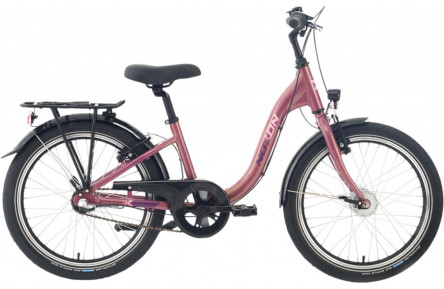


0 euro
0 euro
499.95 euro
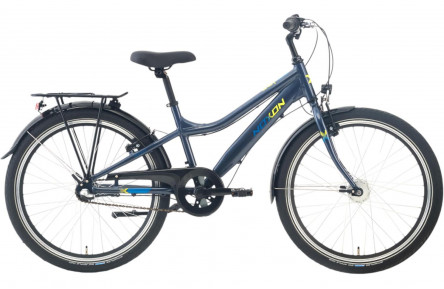
0 euro
0 euro
499.95 euro
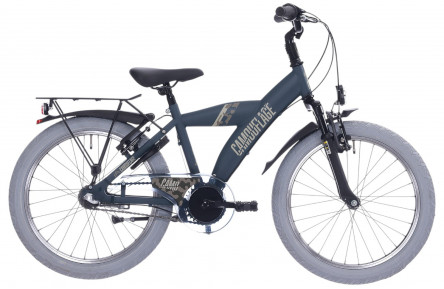
0 euro
0 euro
508 euro
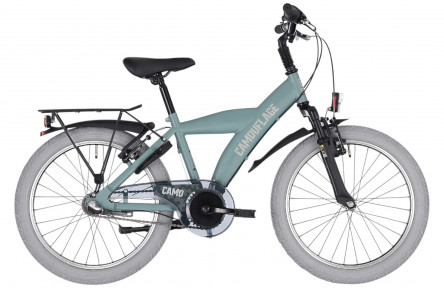
0 euro
0 euro
515 euro


0 euro
0 euro
549.95 euro
0 euro
0 euro
599 euro
0 euro
0 euro
599 euro


0 euro
0 euro
650.45 euro
A 20 inch kids' bike is suitable for children who can already ride independently and need a sturdier model for school, sports activities, and everyday trips around the neighborhood. At FACEBIKE, you can find a bicycle that suits not only your child's height but also their usual routes, riding distances, and the belongings they need to carry.
A 20 inch kids' bike is generally suitable for children aged 6 to 8 years, with a height of approximately 115 to 130 cm. However, this is only a guideline. Some children are taller than average for their age, while others need more time to gain confidence in traffic and when turning.
With this bike size, it's important to consider more than just saddle height. Have your child get on the bike independently, apply the brakes, and put the bike on its kickstand. If the handlebars are too far away, the frame feels too high, or the bike is difficult to turn, the model may not be ideal for everyday use.
At 20 inches, the role of a child's bicycle often changes. It's no longer just a bike for riding around the street. Many children use it for their first independent trips to school, sports clubs, or friends' houses nearby. As a result, features such as brakes, lighting, and luggage-carrying options become more important.
A bike that feels comfortable on a quiet playground may still be impractical in a busy school environment. That's why it's worth thinking about the actual route in advance. Are there curbs, bridges, cobblestone streets, numerous intersections, or long stretches exposed to headwinds? These factors help determine which model makes the most sense.
A child should not only be able to brake but also understand how the bicycle responds. During a test ride, have your child slow down gently several times and brake a little more firmly once. The bike should remain stable and straight, and your child should be able to operate the brake lever without applying excessive force.
For children who are still accustomed to a coaster brake, a combination of coaster and hand brakes can be useful. Children who have already ridden larger bicycles may adapt more quickly to two hand brakes. The most important thing is that the controls feel intuitive and your child doesn't have to think about which brake to use.
A 20 inch kids' bike should be easy for the child to move independently. This matters not only while riding but also when taking the bicycle out of a bike rack, turning around near a gate, or parking at school.
Try a simple test: ask your child to turn the bike halfway around, place it on its kickstand, and lift it upright again. If they can do this easily, the weight is probably suitable. If they struggle, the bike is more likely to be left at home or leaned against a wall instead of being parked properly.
| What Your Child Often Does | Recommended Feature | Why It Helps |
|---|---|---|
| Rides to school every day | Rear luggage rack with elastic straps | No need to carry a schoolbag on their back |
| Cycles home after sports practice | Lights with easy-to-use controls | Improved safety at dusk |
| Rides on cobblestone streets | Tires with a light tread pattern | Better grip and comfort |
| Parks the bike independently | Sturdy kickstand | Reduces the risk of the bike falling over |
| Frequently rides in the rain | Mudguards and chain guard | Keeps clothing cleaner |
A backpack containing school supplies, sports clothes, and a water bottle can easily weigh 3 to 5 kg. Carrying it on the back may be fine for a short trip, but for daily rides, it's more comfortable to place the weight on a luggage rack. Choose elastic straps, a small bike bag, or a securely attached bicycle crate.
Placing a loose bag on the rear rack is not a good idea. When riding over a bump, it may shift, get caught in the spokes, or cause the child to lose balance. Make sure there is enough space to secure the bag safely.
For a kids' bike that is used regularly, small maintenance checks are important. Occasionally check the tire pressure, make sure the lights work, and ensure the chain guard is securely attached. Underinflated tires make pedaling harder and increase the risk of punctures, while loose or unreliable lights can easily become a problem.
Teach your child a few simple habits as well: switch on the lights at dusk, lock the bicycle when parking, and never ride with untied shoelaces. These are small things, but they make independent cycling considerably safer.
A 20 inch kids' bike may technically fit your child perfectly but still be less suitable for their daily routine. For a short, flat route, a simple lightweight model is often enough. For a school route with bridges, strong winds, or a heavy bag, reliable brakes, a sturdy luggage rack, and possibly gears become more important.
Follow these steps when choosing:
This way, you'll choose not just a bicycle that looks attractive but one that works well on a typical school day.
At FACEBIKE, you can quickly browse the appropriate category without having to filter out bicycles designed for toddlers or older teenagers. This makes it easier to compare the features that really matter in a 20 inch kids' bike: weight, brakes, lighting, luggage racks, and comfort.
A 20 inch kids' bike is often the bicycle that helps a child become more independent. Choose a model that matches your child's current height, daily routes, and existing cycling confidence. This makes riding to school, sports activities, or friends' houses not only easier but also safer.

We will contact you soon :)
Our working hours are mon-Sun: 11:00-20:00
-
-
- euro
- - euro
- euro
Дякую за підписку
We will contact you soon :)
Our working hours are
mon-Sun: 11:00-20:00