call-center
call-center
+31 6 28382471Shops in the Netherlands
Paradijsvogelstraat 14, 9713 BV Groningenno weekends
10:00 tot 20:00 uur
call-center
call-center
+31 6 28382471Shops in the Netherlands
Paradijsvogelstraat 14, 9713 BV Groningenno weekends
10:00 tot 20:00 uur
You chose 32 from 137
Price
Features
Brand
Frame size
Wheel diameter
Number of speeds


0 euro
0 euro
479.95 euro


0 euro
0 euro
480 euro


0 euro
0 euro
530 euro

0 euro
0 euro
530 euro

0 euro
0 euro
530 euro


0 euro
0 euro
530 euro
0 euro
0 euro
530 euro
0 euro
0 euro
530 euro


0 euro
0 euro
549 euro
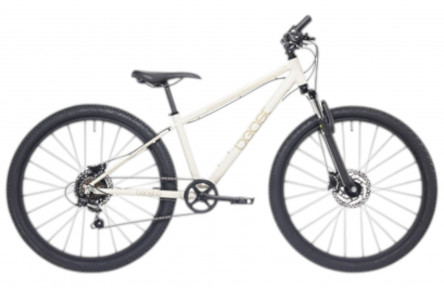


0 euro
0 euro
550 euro
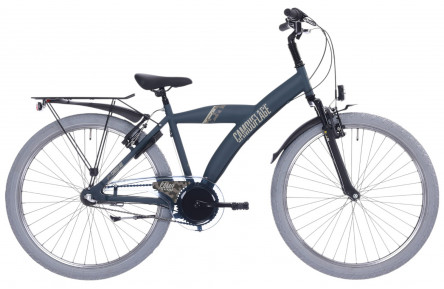
0 euro
0 euro
595 euro
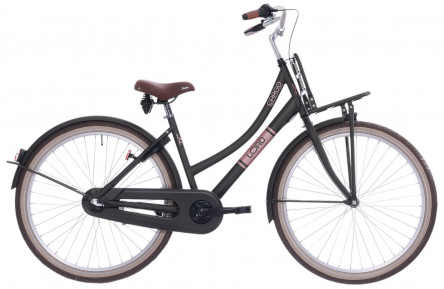
0 euro
0 euro
595 euro
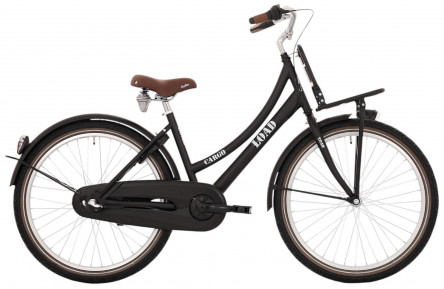
0 euro
0 euro
595 euro

0 euro
0 euro
599 euro
A 26 inch kids' bike is suitable for children who are starting to cycle longer distances and need a model capable of handling more than just short rides around the neighborhood. At FACEBIKE, you can choose a 26 inch kids' bike for school, sports activities, visiting friends, and daily routes where comfort, braking performance, and a proper riding position become increasingly important.
A 26 inch kids' bike is generally suitable for children aged 10 to 13 years, with a height of approximately 145 cm or taller. However, this is only a guideline. At this size, two children of the same height may still need different frames due to differences in leg length, riding position, or experience in traffic.
That's why you shouldn't focus only on wheel size. Have your child get on the bike independently, ride a few meters, brake gently, and turn the bicycle around. The bike should feel stable without the child having to stretch too far to reach the ground when stopping. The handlebars should also be within comfortable reach without fully extending the arms.
For many children, a 26 inch model represents the transition toward a more adult-style bicycle. Its wheels are larger than those of a typical school bike for younger children, yet the bicycle remains more compact and easier to handle than a standard 28 inch bike.
This is particularly useful when a child already cycles to school independently but doesn't yet feel comfortable on a large adult frame. A well-chosen 26 inch kids' bike provides sufficient stability for longer journeys while keeping mounting, parking, and maneuvering in bike racks manageable.
At this age, bicycles are often used to carry more luggage. Schoolbooks, a laptop, a lunchbox, and sports clothes can easily weigh several kilograms together. Carrying everything on the back isn't ideal, especially when crossing bridges, cycling against the wind, or traveling longer distances.
That's why it's worth paying attention to the luggage rack. A sturdy rack with reliable attachment points for elastic straps or bicycle bags makes the bike more practical. Also, check whether the kickstand is stable enough when a bag is placed on the rear rack. An unstable bicycle is more likely to fall over when parked at school or a sports club.
| Daily Situation | Recommended Feature | Benefits |
|---|---|---|
| Riding to school | Luggage rack with elastic straps | Less weight on the shoulders |
| Frequent bridges or strong winds | Multiple gears | Easier pedaling and less physical strain |
| Wet weather | Mudguards and chain guard | Helps keep clothing dry during rides |
| Busy intersections | Brakes with good modulation | Better control during sudden stops |
| Limited storage space at home | Lightweight frame | Easier to move independently |
A child riding a 26 inch bike will usually travel faster than on a smaller model. That's why the brakes should respond effectively without requiring excessive force. Have your child test both brake levers and check whether the bicycle remains straight and stable during gentle braking.
Gears are particularly useful when the route isn't completely flat. In strong winds, on bridges, or during daily rides of several kilometers, a good gear system prevents children from having to pedal too hard. For a short, flat route, having numerous gears is less important than simple controls and reliable brakes.
An incorrectly adjusted saddle can make even a properly sized bicycle uncomfortable. If the saddle is too low, a child pedals with excessively bent knees and becomes tired more quickly. If it's too high, getting on the bike and stopping become more difficult.
A good starting point is to adjust the saddle so that the child's leg is almost fully extended at the bottom of the pedal stroke while still allowing them to quickly find support when stopping. Check the adjustment again after a growth spurt. Especially between the ages of 10 and 13, a bicycle can feel very different within just a few months.
For regular school routes, extremely wide tires or aggressive tread patterns are often unnecessary. Although they provide grip, they can also increase rolling resistance and make pedaling harder. Tires with a light tread pattern are generally a better choice for asphalt, cobblestone streets, and wet cycle paths.
Check the tire pressure as well. Underinflated tires create more resistance, make steering less stable, and increase the risk of punctures. For a bicycle used almost every day, a monthly tire pressure check can help prevent many common problems.
Before comparing colors or designs, it's useful to determine how the bicycle will actually be used. A child who cycles 5 km to school every day will benefit more from lights, gears, and a luggage rack than from a sporty frame without practical features.
Follow these steps when choosing:
This approach helps you avoid choosing a bicycle that looks attractive but is less comfortable or practical in everyday use.
At FACEBIKE, you can easily browse the 26 inch kids' bike category and compare models based on the features that really matter for everyday riding. These include frame design, brakes, luggage racks, lighting, and comfort over longer distances.
A 26 inch kids' bike is often the bicycle that helps a child become much more independent. Choose a model that suits their current routes while providing enough comfort for school, sports activities, and everyday cycling.

We will contact you soon :)
Our working hours are mon-Sun: 11:00-20:00
-
-
- euro
- - euro
- euro
Дякую за підписку
We will contact you soon :)
Our working hours are
mon-Sun: 11:00-20:00