call-center
call-center
+31 6 28382471Shops in the Netherlands
Paradijsvogelstraat 14, 9713 BV Groningenno weekends
10:00 tot 20:00 uur
call-center
call-center
+31 6 28382471Shops in the Netherlands
Paradijsvogelstraat 14, 9713 BV Groningenno weekends
10:00 tot 20:00 uur

New
12"
16"
18"
20"
22"
24"
26"
27.5"
Amortization
No amortization
200 - 400 euro
400 - 600 euro
You chose 18 from 78
Price
Features
Brand
Frame size
Wheel diameter


0 euro
0 euro
275 euro


0 euro
0 euro
285 euro

0 euro
0 euro
440 euro
0 euro
0 euro
440 euro


0 euro
0 euro
449.95 euro
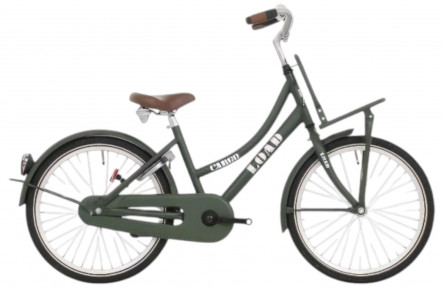
0 euro
0 euro
465 euro
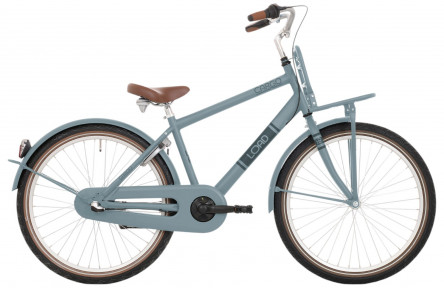
0 euro
0 euro
465 euro
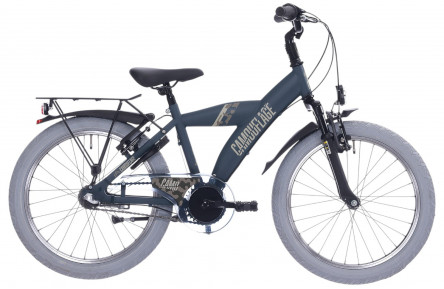
0 euro
0 euro
508 euro
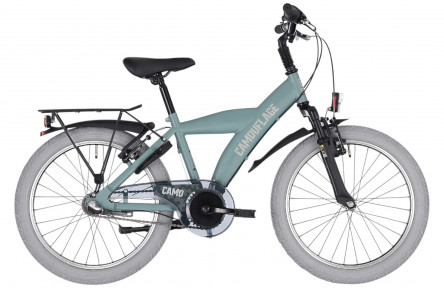
0 euro
0 euro
515 euro


0 euro
0 euro
549.95 euro
0 euro
0 euro
599 euro
0 euro
0 euro
599 euro
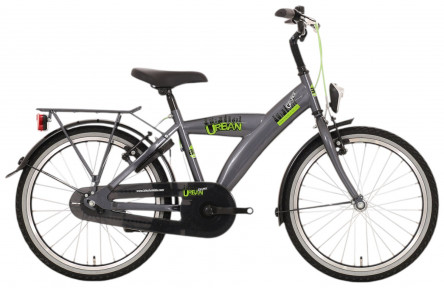
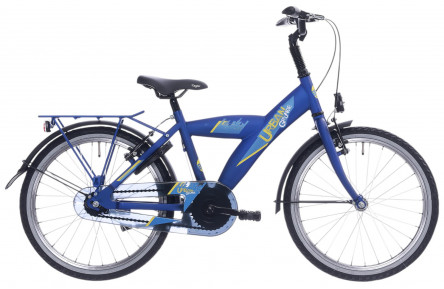
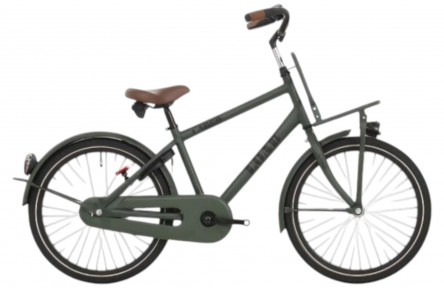
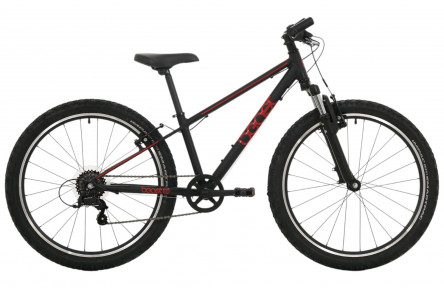
A 20-inch boys' bike is suitable for children who can already cycle independently and need more than just a bicycle for riding around the playground or sidewalk. At FACEBIKE, you will find 20-inch models for school journeys, sports activities, visiting friends, and everyday cycling, where proper fit and reliable components become increasingly important.
This wheel size is often suitable for children approximately 6 to 8 years old and around 115 to 130 cm tall. However, age should not be the only consideration. A tall seven-year-old may already be ready for a larger model, while a shorter or less experienced child may feel more confident on a 20-inch bike.
When checking the fit, ask your child to do three things: mount the bicycle, make a tight turn slowly, and stop in a controlled manner. Their feet do not need to rest flat on the ground while cycling, but they should be able to reach the ground quickly for support when stopping. The handlebars should also be within comfortable reach without forcing the shoulders forward.
Buying a bicycle with plenty of room for growth may seem financially sensible, but for children of this age, it often has the opposite effect. A frame that is too high makes stopping more difficult, an excessive reach to the handlebars reduces control, and a bicycle that is too heavy is less likely to be used independently.
When choosing a 20-inch boys' bike, it is better to select a model that fits properly now. The saddle and handlebars can be adjusted later, but a bicycle that feels too large from the beginning can reduce both cycling enjoyment and safety.
At this age, children often start carrying backpacks more frequently, including sports clothes, lunch boxes, jackets, or schoolbooks. This is usually manageable over short distances, but carrying a heavy bag weighing 3 to 5 kg on the back can noticeably affect balance. A luggage rack is therefore more than just an accessory — it is a practical feature.
Check that the luggage rack is securely attached and has enough space for luggage straps or a small pannier. Placing a loose bag on the rack without securing it is not advisable, as it could shift when cornering or riding over a bump and become caught in the wheel spokes.
A child riding a 20-inch bike will generally travel faster than on a 16-inch model. That is why the brakes deserve extra attention. Hand brakes should be easy enough for small hands to operate, while a coaster brake may still feel more familiar to some children.
Do not simply ask which braking system the bicycle has — let your child test the brakes personally. Can they brake without applying excessive force? Do they know which lever operates the front brake and which controls the rear brake? Does the bicycle remain stable when slowing down gently? These answers are more valuable than a technical description alone.
| Riding Situation | Useful Bike Features | Why They Matter |
|---|---|---|
| School journeys | Luggage rack and lighting | Carry a bag and remain visible |
| Sports club | Sturdy kickstand | Keeps the bicycle upright in busy areas |
| Neighborhood and park | Wide tires with tread | Better grip on pavement, sand, and wet tiles |
| Daily practice | Easy-to-operate brakes | Helps children learn to stop safely more quickly |
| Rainy days | Mudguards and chain guard | Less dirt on clothing and shoes |
For a child who mainly cycles on asphalt and dedicated cycling paths, extremely wide tires are unnecessary. Tires with a standard tread pattern and sufficient grip are often a better choice: they roll more easily while still providing confidence on wet paving stones. Check tire pressure regularly as well. Underinflated tires make pedaling harder and wear out more quickly along the sidewalls.
Lighting becomes particularly important when children cycle to school during autumn or winter. Reflectors are useful, but they do not replace proper front and rear lights. Ideally, choose lighting that is easy to switch on so your child can operate it independently.
An enclosed chain guard protects clothing and shoelaces. For children who frequently mount and dismount their bicycles, it also helps prevent trouser legs or loose shoelaces from getting caught in the chain. Mudguards may not be exciting, but they are very practical in the Netherlands: without them, children are more likely to end up with dirty backs and wet shoes after cycling in rainy conditions.
Pay attention to the bicycle's weight as well. A bike that an adult can easily lift may still be heavy for a child. Ask your child to pretend to pull the bicycle out of a bike rack, turn it around, and place it on its kickstand. If they can do this without much effort, the weight is more suitable for everyday use.
Only after these checks should color, stickers, or a sporty design become deciding factors. These details make a bicycle more appealing, but they do not determine whether a child can ride safely and comfortably.
At FACEBIKE, you can search directly within the appropriate wheel size without having to browse models designed for much younger or older riders. This makes it easier to compare practical differences such as braking systems, luggage racks, frame designs, and suitability for everyday use.
A 20-inch boys' bike should not simply make a child feel more grown-up — it should help them become more independent. Choose a model that matches your child's current height, cycling experience, and daily routes, so riding to school, sports activities, or friends becomes a natural, safe, and enjoyable part of everyday life.

We will contact you soon :)
Our working hours are mon-Sun: 11:00-20:00
-
-
- euro
- - euro
- euro
Дякую за підписку
We will contact you soon :)
Our working hours are
mon-Sun: 11:00-20:00