
call-center
call-center
+31 6 28382471Shops in the Netherlands
Paradijsvogelstraat 14, 9713 BV Groningenno weekends
10:00 tot 20:00 uur
call-center
call-center
+31 6 28382471Shops in the Netherlands
Paradijsvogelstraat 14, 9713 BV Groningenno weekends
10:00 tot 20:00 uur

New
Used
12"
16"
18"
20"
22"
24"
26"
27.5"
Amortization
No amortization
to 200 euro
200 - 400 euro
400 - 600 euro
600 - 1 000 euro
You chose 19 from 78
Price
Features
Brand
Frame size
Wheel diameter
used
test -drive
Pick up now In the shop Paradijsvogelstraat 14, 9713 BV Groningen

0 euro
0 euro
190 euro
used
test -drive
Pick up now In the shop Paradijsvogelstraat 14, 9713 BV Groningen

0 euro
0 euro
245 euro
used
test -drive
Pick up now In the shop Paradijsvogelstraat 14, 9713 BV Groningen

0 euro
0 euro
245 euro


0 euro
0 euro
329 euro


0 euro
0 euro
465 euro


0 euro
0 euro
499.95 euro


0 euro
0 euro
515 euro


0 euro
0 euro
515 euro

0 euro
0 euro
525 euro
0 euro
0 euro
530 euro


0 euro
0 euro
530 euro
0 euro
0 euro
530 euro
0 euro
0 euro
540 euro


0 euro
0 euro
540 euro


0 euro
0 euro
599.95 euro
0 euro
0 euro
649 euro
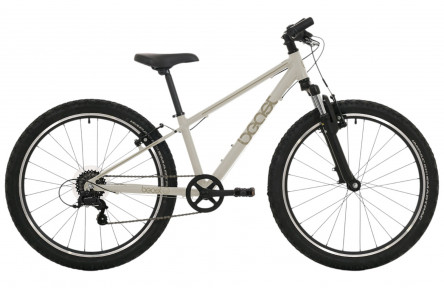
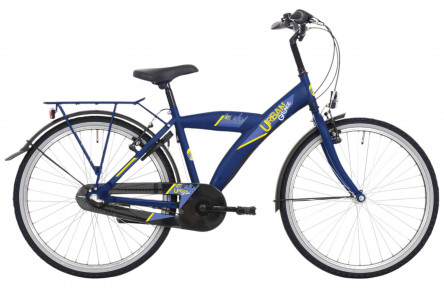
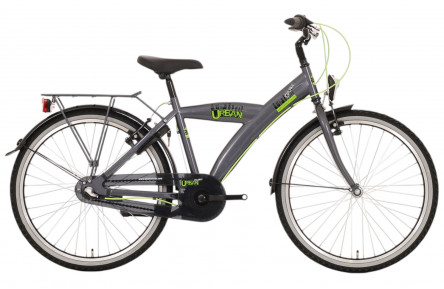
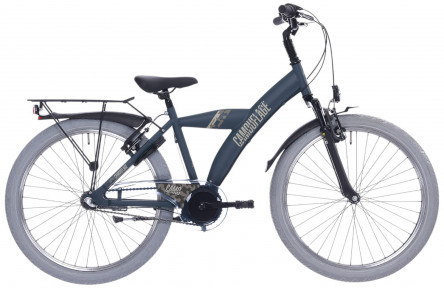
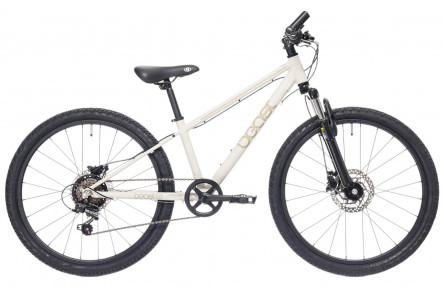
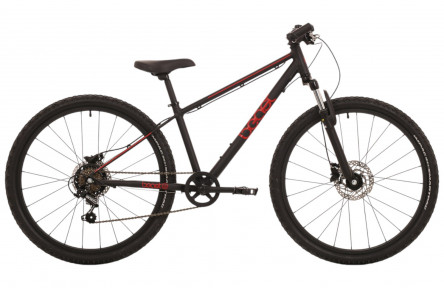
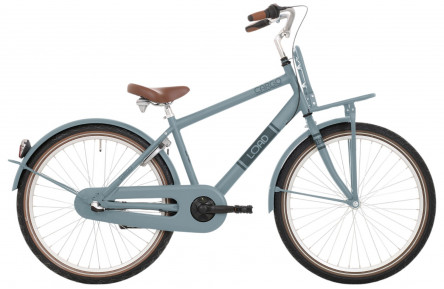
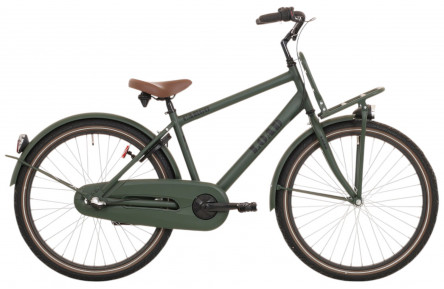
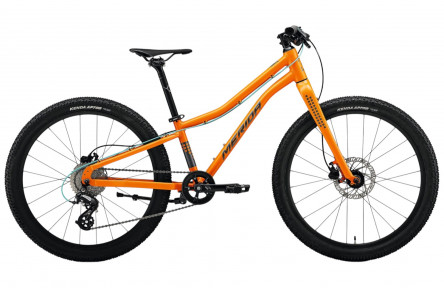
A 24-inch boys' bike is designed for children who no longer cycle only short distances around the neighborhood but use their bicycles every day for school, sports activities, and meeting friends. At FACEBIKE, you can choose a 24-inch boys' bike that matches your child's height and the way he actually rides.
A 24-inch bike is generally suitable for children approximately 8 to 11 years old and around 130 to 145 cm tall. However, these are not strict limits. At this age, children can differ significantly in leg length, body proportions, and cycling confidence.
That is why it is important to consider the child's overall riding position. He should not have to stretch his arms fully to reach the handlebars and should be able to quickly find support with his feet when stopping. A taller bicycle may seem attractive because it can be used for longer, but without proper control, everyday cycling becomes more difficult.
With a 24-inch boys' bike, frame height becomes more important than it is with smaller children's bicycles. Two bikes with the same wheel size can feel very different because of variations in the top tube, handlebar height, or saddle position. A sportier frame, in particular, may be taller than expected.
A practical test is more useful than measurements alone. Ask your child to ride a few meters, make a turn, brake, and place the bicycle on its kickstand. If he can do all of this independently and confidently, the bike is probably a good fit.
At this age, children increasingly use their bicycles to travel to school. This means carrying a backpack, a lock, sometimes sports clothes, and often navigating routes with busy intersections. A luggage rack is useful, but make sure it is sturdy enough for regular use.
A school bag weighing 4 to 7 kg should not be placed loosely on the luggage rack. Use luggage straps, a small pannier, or a properly fitted crate. This keeps the bag securely in place when riding over bumps or taking sharp turns and means your child does not have to carry a heavy backpack.
Especially during autumn and winter, children may leave home at dawn or return from sports activities after dark. Reflectors help, but working front and rear lights are essential for remaining visible. Choose lights that are easy to switch on with one hand, and regularly check the batteries or charging status.
A bell is also an important feature. On shared cycling paths, it helps children learn to warn other cyclists and pedestrians in good time without having to swerve unexpectedly.
| Situation | Recommended Features | Why They Help |
|---|---|---|
| Daily school journeys | Luggage rack with secure attachments | Keeps the school bag stable while riding |
| Wet cycling paths | Mudguards and treaded tires | Less water splashing and better grip |
| Frequent stops | Easy-to-operate brakes | Safer stopping at pedestrian crossings and intersections |
| Parking at school | Sturdy kickstand and reliable lock | Reduces the risk of the bike falling over or being left unlocked |
| Riding at dusk | Front and rear lights | Makes the child more visible to other road users |
For children who mainly cycle short distances on flat roads, having many gears is not always necessary. A simple gearing system is often easier to operate and requires less maintenance. However, if your child frequently rides over bridges, against strong headwinds, or along longer routes, multiple gears can make cycling more comfortable.
Brakes remain more important than gears. Let your child test both brake levers independently. The brakes should respond firmly but should not require so much force that the child struggles to squeeze them. This is particularly important in wet weather or when riding over slippery leaves.
Narrow, smooth tires roll more easily on asphalt but may provide less confidence on wet cobblestones or sandy areas along the pavement. For a boys' bike used mainly in the city and neighborhood, tires with a moderate tread pattern often provide the best balance.
Check tire pressure regularly as well. Underinflated tires make pedaling harder, increase the risk of punctures, and can lead to less stable handling. Regular tire pressure checks are particularly beneficial when the bicycle is used every day.
Color, brand, and a sporty appearance naturally play a role. That makes sense: children are more likely to ride a bicycle they genuinely like. However, these preferences should only influence the decision after the correct size, suitable weight, and safety have been confirmed.
When comparing models, pay particular attention to the following:
A properly fitted bicycle encourages independence. Your child can take it out of the bike rack, stop safely, and ride to school or sports activities without assistance.
At FACEBIKE, you can compare models within the appropriate category without browsing bicycles that are too small or designed for adults. This makes it easier to focus on the features that really matter for 24-inch bikes: frame design, brakes, lighting, luggage carrying options, and everyday reliability.
A 24-inch boys' bike represents a step toward greater freedom. Choose a model that not only fits your child properly today but also suits the routes he will be cycling independently in the near future.

We will contact you soon :)
Our working hours are mon-Sun: 11:00-20:00
-
-
- euro
- - euro
- euro
Дякую за підписку
We will contact you soon :)
Our working hours are
mon-Sun: 11:00-20:00


