
call-center
call-center
+31 6 28382471Shops in the Netherlands
Paradijsvogelstraat 14, 9713 BV Groningenno weekends
10:00 tot 20:00 uur
call-center
call-center
+31 6 28382471Shops in the Netherlands
Paradijsvogelstraat 14, 9713 BV Groningenno weekends
10:00 tot 20:00 uur

New
12"
14"
16"
18"
20"
22"
24"
26"
27.5"
Amortization
No amortization
200 - 400 euro
400 - 600 euro
600 - 1 000 euro
You chose 14 from 58
Price
Features
Frame size
Wheel diameter
test -drive
Pick up now In the shop Paradijsvogelstraat 14, 9713 BV Groningen

New


0 euro
0 euro
229 euro
test -drive
Pick up now In the shop Paradijsvogelstraat 14, 9713 BV Groningen


0 euro
0 euro
249 euro
test -drive
Pick up now In the shop Paradijsvogelstraat 14, 9713 BV Groningen


0 euro
0 euro
345 euro
test -drive
Pick up now In the shop Paradijsvogelstraat 14, 9713 BV Groningen


999 euro
204 euro
795 euro


0 euro
0 euro
329 euro


0 euro
0 euro
340 euro


0 euro
0 euro
340 euro
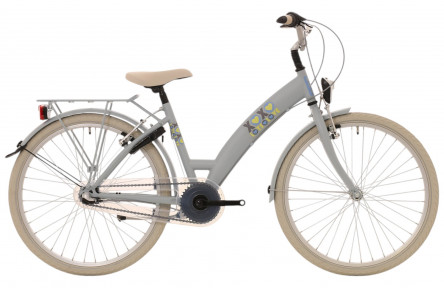


0 euro
0 euro
530 euro
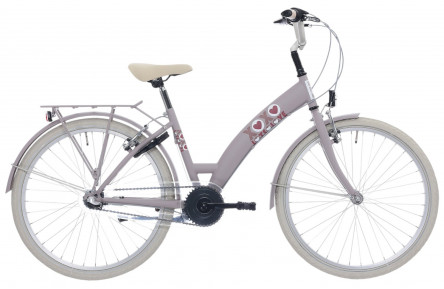
0 euro
0 euro
530 euro
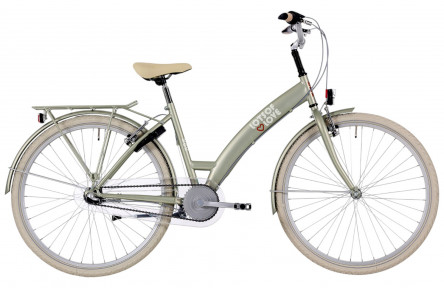
0 euro
0 euro
530 euro


0 euro
0 euro
549 euro
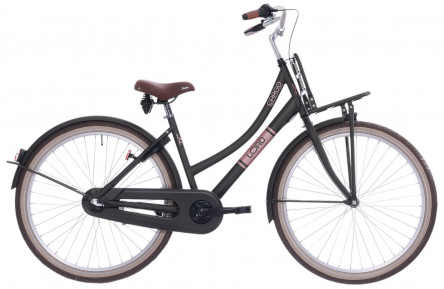
0 euro
0 euro
595 euro
0 euro
0 euro
595 euro
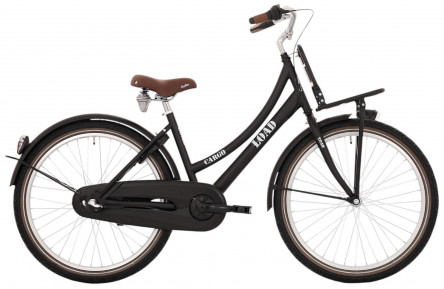
A 26-inch girls' bike is a great choice for children who cycle to school, sports activities, or friends' houses every day and need a larger model without moving straight to an adult 28-inch bike. At FACEBIKE, you can easily compare bikes by size, riding position, brakes, and practical features, ensuring the bike not only looks good but also suits everyday journeys.
A 26-inch girls' bike is often suitable for children aged approximately 10 to 13, usually starting at around 145 cm in height. However, this is not a fixed rule. The right choice also depends on leg length, frame height, and how confidently your child rides in busy traffic.
When checking the fit, don't just look at whether your child's feet can reach the ground. Let her get on the bike independently, ride slowly, brake, and turn around. A properly sized bike should feel stable at traffic lights and around sharp corners, without the handlebars being too far away or the frame feeling too tall.
Compared to a 24-inch bike, a 26-inch bike offers a smoother, more stable ride over longer distances and cobblestone streets. At the same time, it remains more compact than a 28-inch bike. This makes it ideal for children who are becoming more independent cyclists but don't yet need a full-sized adult frame.
The difference is particularly noticeable on daily rides of around 3 to 8 km. The bike maintains speed more easily while remaining manageable around crowded bike racks, narrow passages, and busy schoolyards.
At this age, children often carry more belongings: books, a lunchbox, PE clothes, or sometimes a laptop. A fully packed school bag can easily weigh 4 to 7 kg. Carrying it on the back is usually fine for short rides, but on bridges, in windy conditions, or over longer distances, it can affect balance.
That's why a sturdy rear luggage rack is more than just a minor detail. Check whether there's room for luggage straps or panniers and whether the kickstand remains stable when extra weight is placed on the back. A bag should never be left unsecured on the rack, as it could slide towards the spokes when going over a bump or taking a turn.
Many children cycle in low-light conditions during autumn and winter. Reflectors help, but front and rear lights are still essential for staying visible to other road users. Ideally, choose lights that your child can switch on easily without having to search for a tiny button.
Also check the position of the lights. A front light aimed too high can dazzle oncoming cyclists and drivers, while one positioned too low provides insufficient visibility of the road ahead. For everyday use, a simple, reliable lighting system is better than complicated accessories that rarely get used.
| Everyday Situation | What to Look For | Practical Benefit |
|---|---|---|
| School bag or sports bag | Luggage rack with securing straps | Better balance while cycling |
| Frequent traffic lights | Easy-to-operate brakes | Quicker, smoother braking |
| Rainy routes | Mudguards and chain guard | Less dirt on jackets and trousers |
| Wind or bridges | Smooth-shifting gears | Less effort when pedalling |
| Crowded bike racks | Reliable kickstand and lightweight frame | Easier independent parking |
Children generally ride faster on larger bikes, so the brakes need to provide smooth, controlled stopping power. During a test ride, ask your child to brake gently and then try a firmer stop in a safe area. The bike should remain straight without pulling to either side.
Gears are particularly useful when the route includes bridges, strong headwinds, or longer distances. For a flat one-kilometre journey, having lots of gears is less important. In that case, a simple, responsive gear system is often more convenient than a bike with numerous settings that rarely get used.
For asphalt, cobblestones, and cycle paths, extremely chunky tyres are usually unnecessary. While they provide grip, they also require more effort to pedal. Tyres with a moderate tread are often a better compromise, offering sufficient grip on wet paving stones and fallen leaves without making every ride more tiring.
It's also important to check tyre pressure regularly. Underinflated tyres make steering less precise, increase the risk of punctures, and force children to pedal harder. For a bike used almost every day, checking the tyre pressure once a month is already a useful habit.
A bold colour, basket, or eye-catching details may be important to your child. That's perfectly fine, but only once the essentials are right. Start by considering the route: how many kilometres will she cycle, will she need to carry a heavy bag, and how much traffic will she encounter?
Follow these steps:
This way, your child gets a bike that not only fits well now but also remains comfortable as school journeys become longer and her independence grows.
At FACEBIKE, you can browse girls' bikes by wheel size and directly compare models within the same category. This makes it easier to focus on the features that really matter for a 26-inch bike: frame design, smooth gear shifting, luggage capacity, lighting, and everyday practicality.
A 26-inch girls' bike is often the bike that brings together school, sports, and leisure activities. That's why it's important to choose a model that suits your child's height, her daily cycling route, and the practical features that make a real difference along the way.

We will contact you soon :)
Our working hours are mon-Sun: 11:00-20:00
-
-
- euro
- - euro
- euro
Дякую за підписку
We will contact you soon :)
Our working hours are
mon-Sun: 11:00-20:00


